
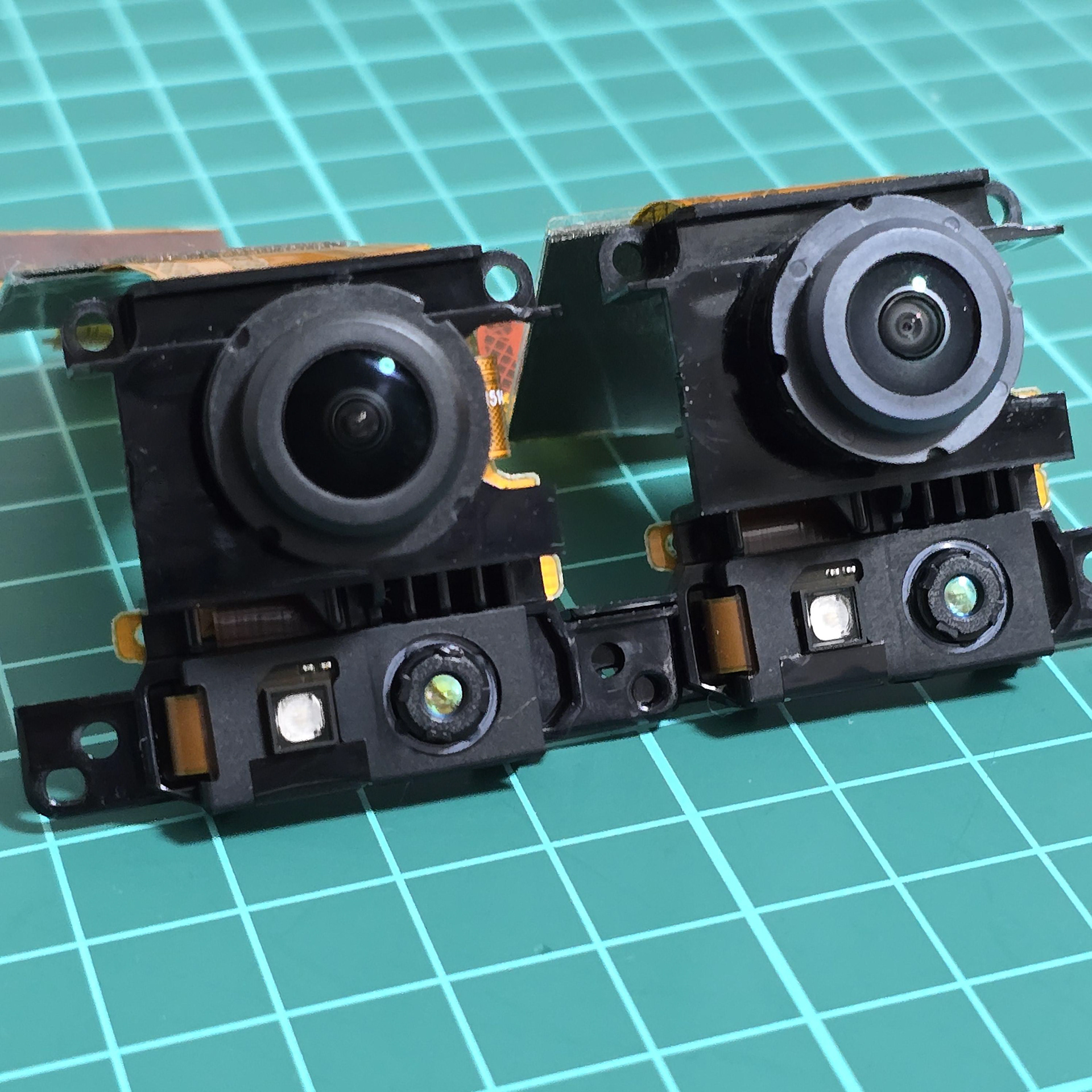
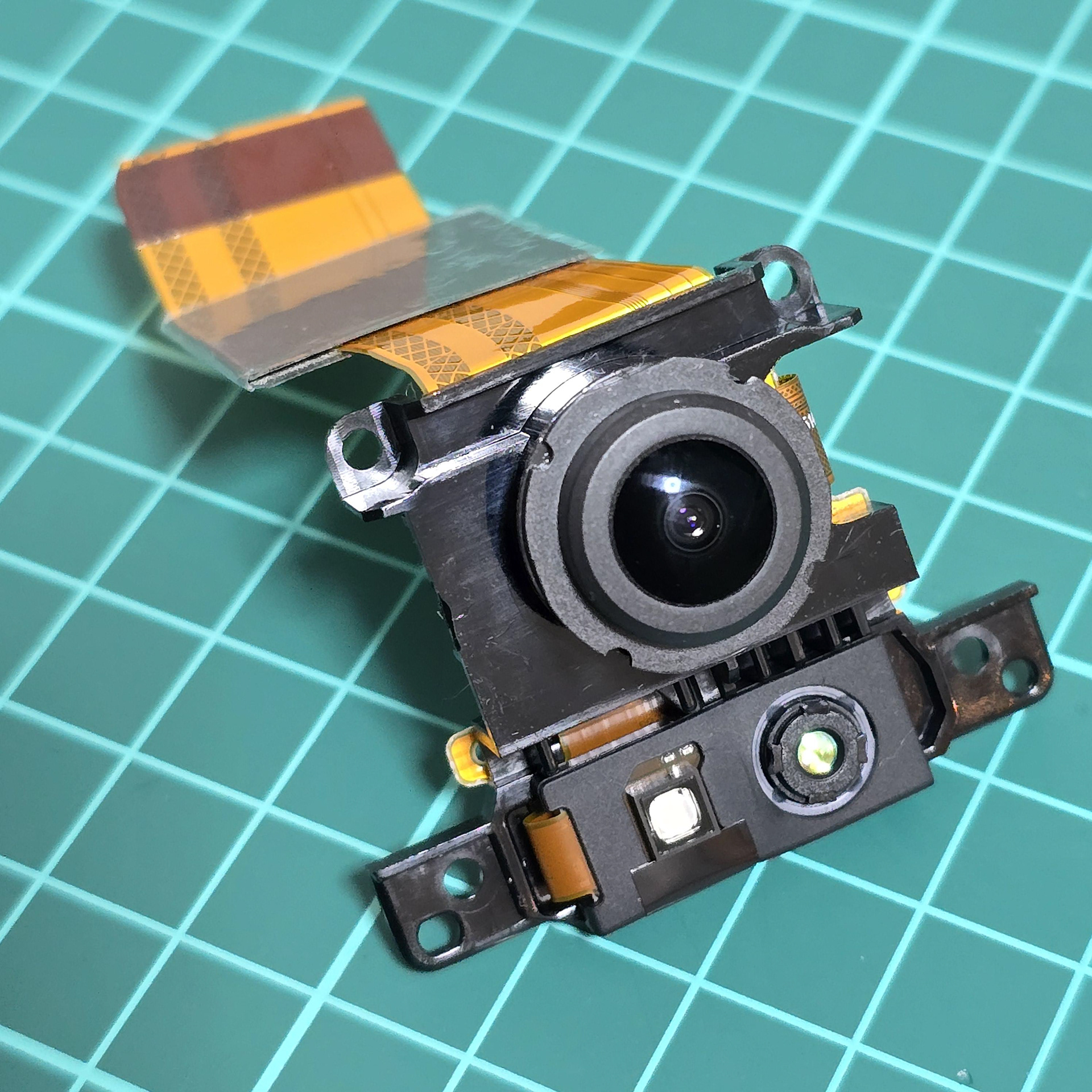
In recent years the ERS-1000 camera has changed to a darker variant and is now the standard version installed with all new aibos as of 2024 with the Kinako edition release. I was curious as to if there were any changes in performance vs the old, so did some testing.
On first glance due to the darker lens appearance I thought that maybe they had installed a different coating, but on closer inspection it seems that only the plastic in the lens has changed.
近年、ERS-1000カメラはより暗い色に変更され、2024年発売のきなこエディション以降、すべての新型aiboに標準搭載されています。旧型と比べて性能に変化があるかどうか気になったので、いくつかテストしてみました。
一見すると、レンズの色が濃くなったのでコーティングが違うのかと思いましたが、よく見るとレンズのプラスチックだけが変わっているようです。
一見すると、レンズの色が濃くなったのでコーティングが違うのかと思いましたが、よく見るとレンズのプラスチックだけが変わっているようです。
Image Testing
I conducted image testing using both camera modules on the same subject to compare colour reproduction and lens distortion. Both camera modules are tested using the same aibo but with the camera modules switched out to ensure a fair test and rule out any differences between firmware.
両方のカメラモジュールを用いて、同じ被写体で画像テストを行い、色再現性とレンズの歪みを比較しました。両方のカメラモジュールは同じaiboを使用してテストしましたが、公平なテストを行い、ファームウェア間の差異を排除するため、カメラモジュールは交換しました。
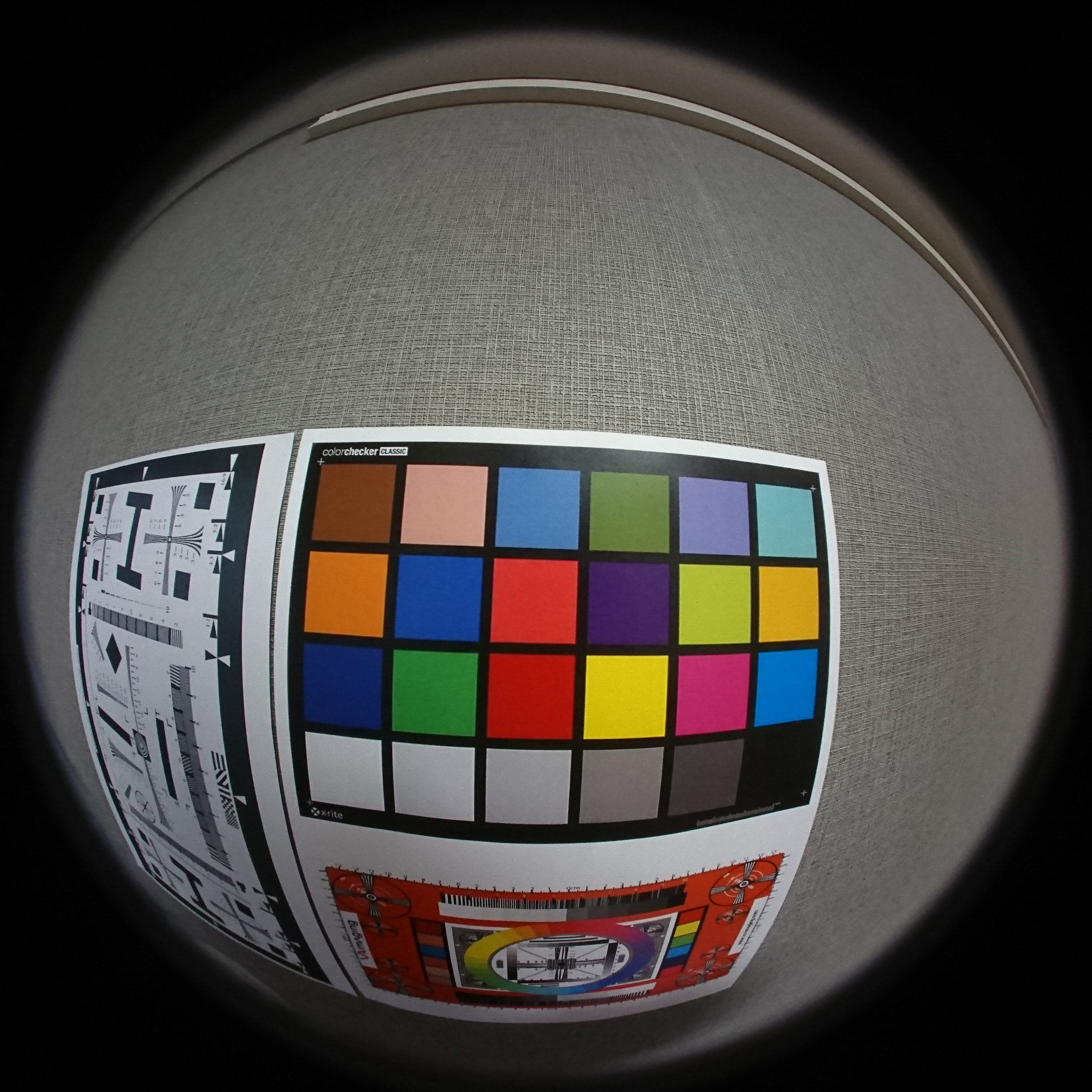
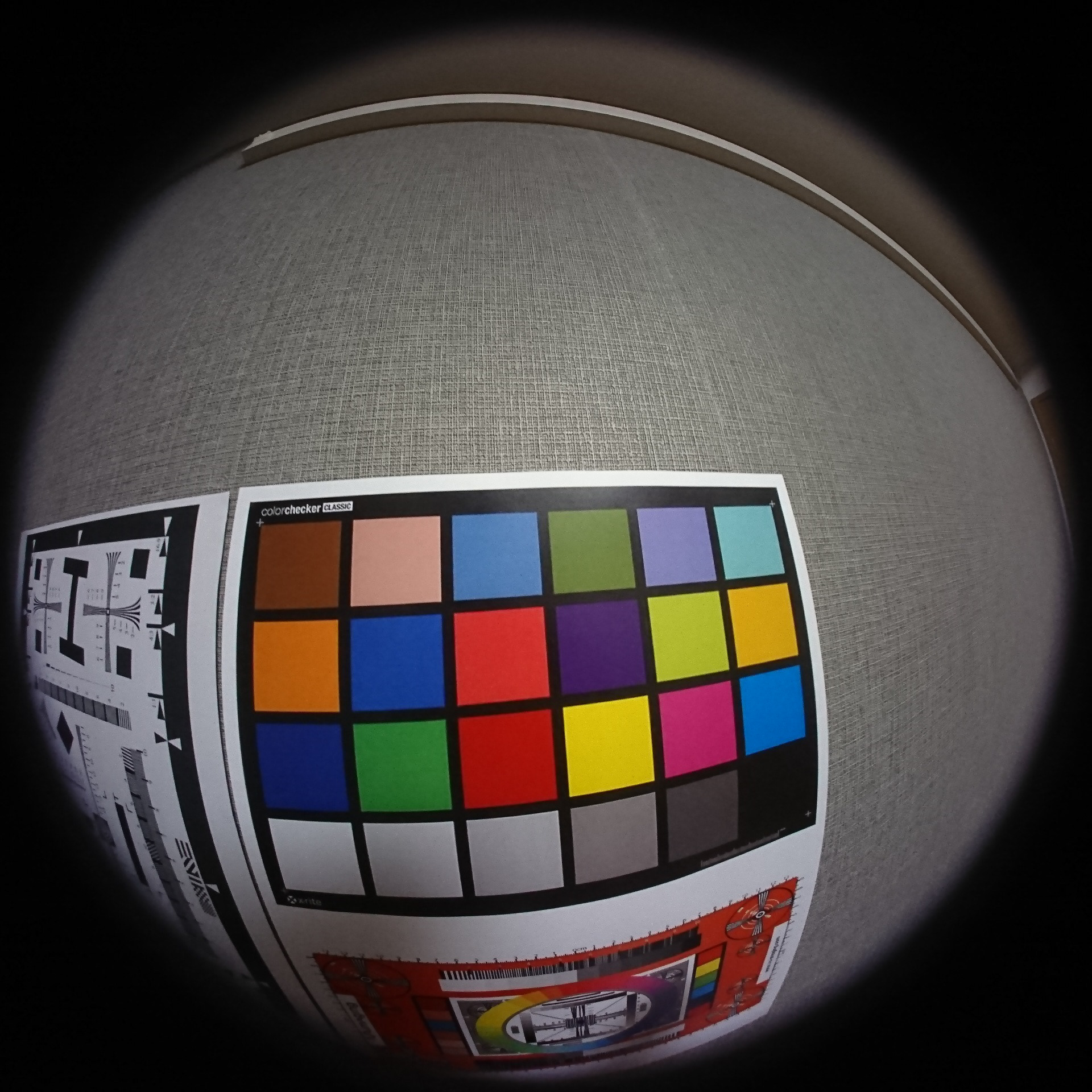
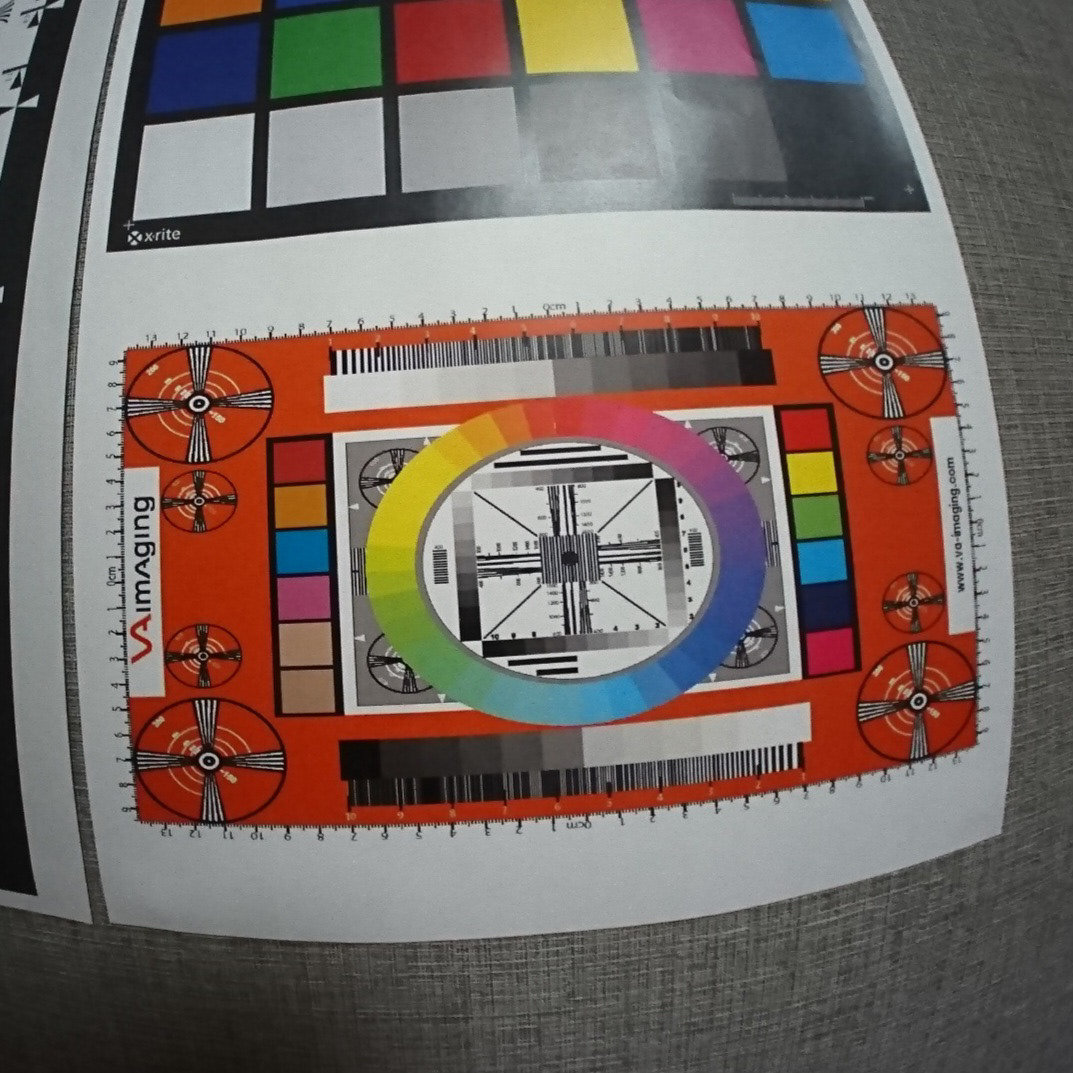
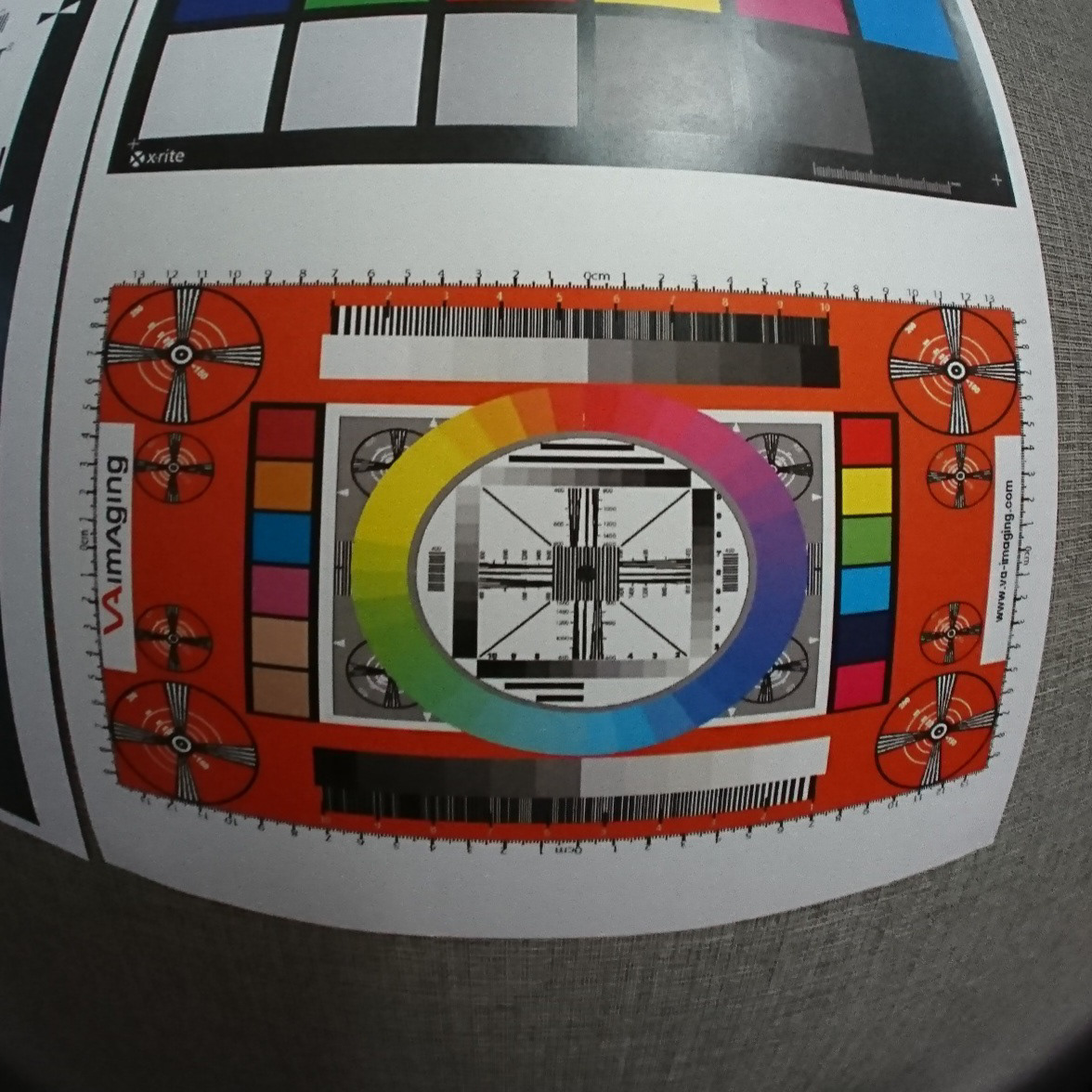
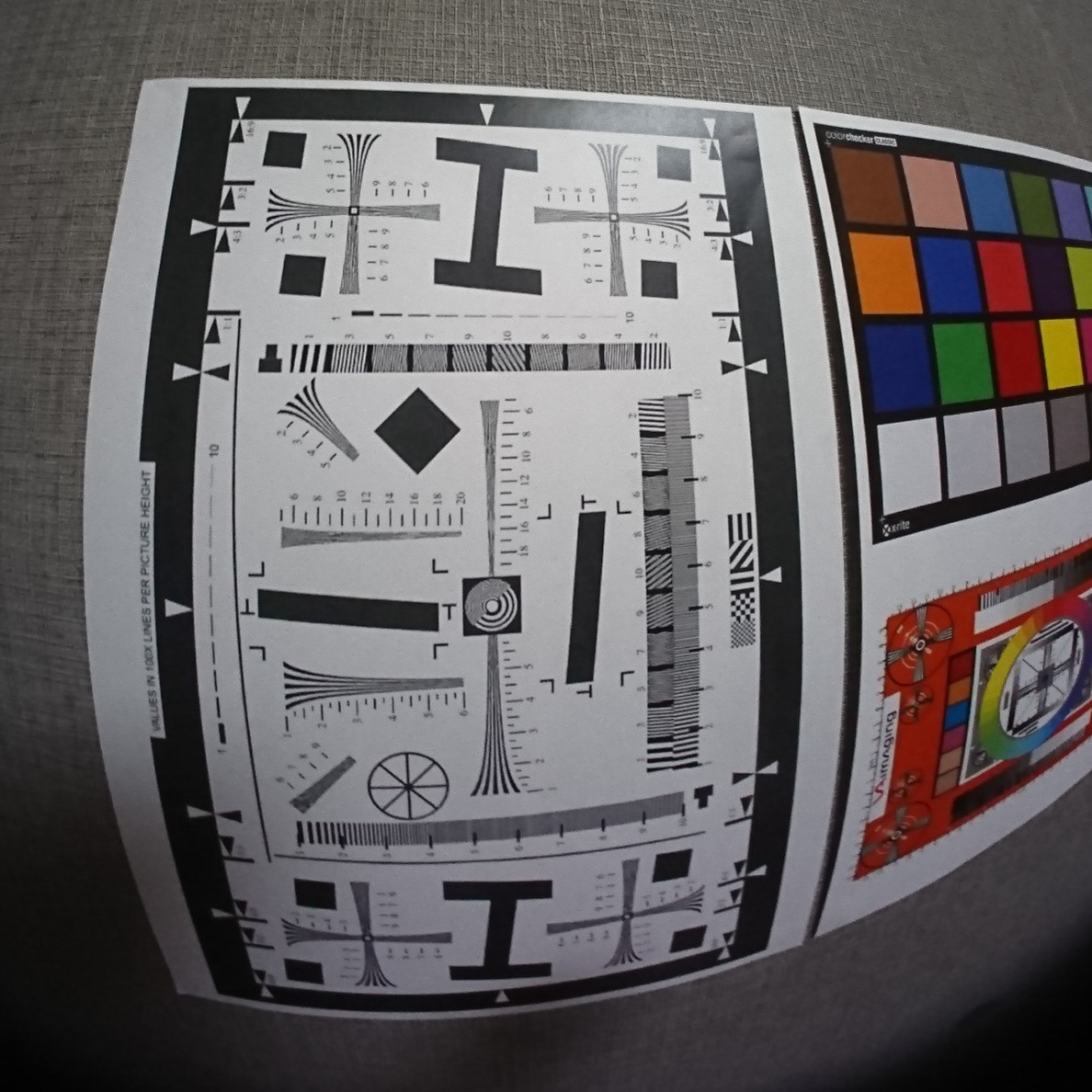
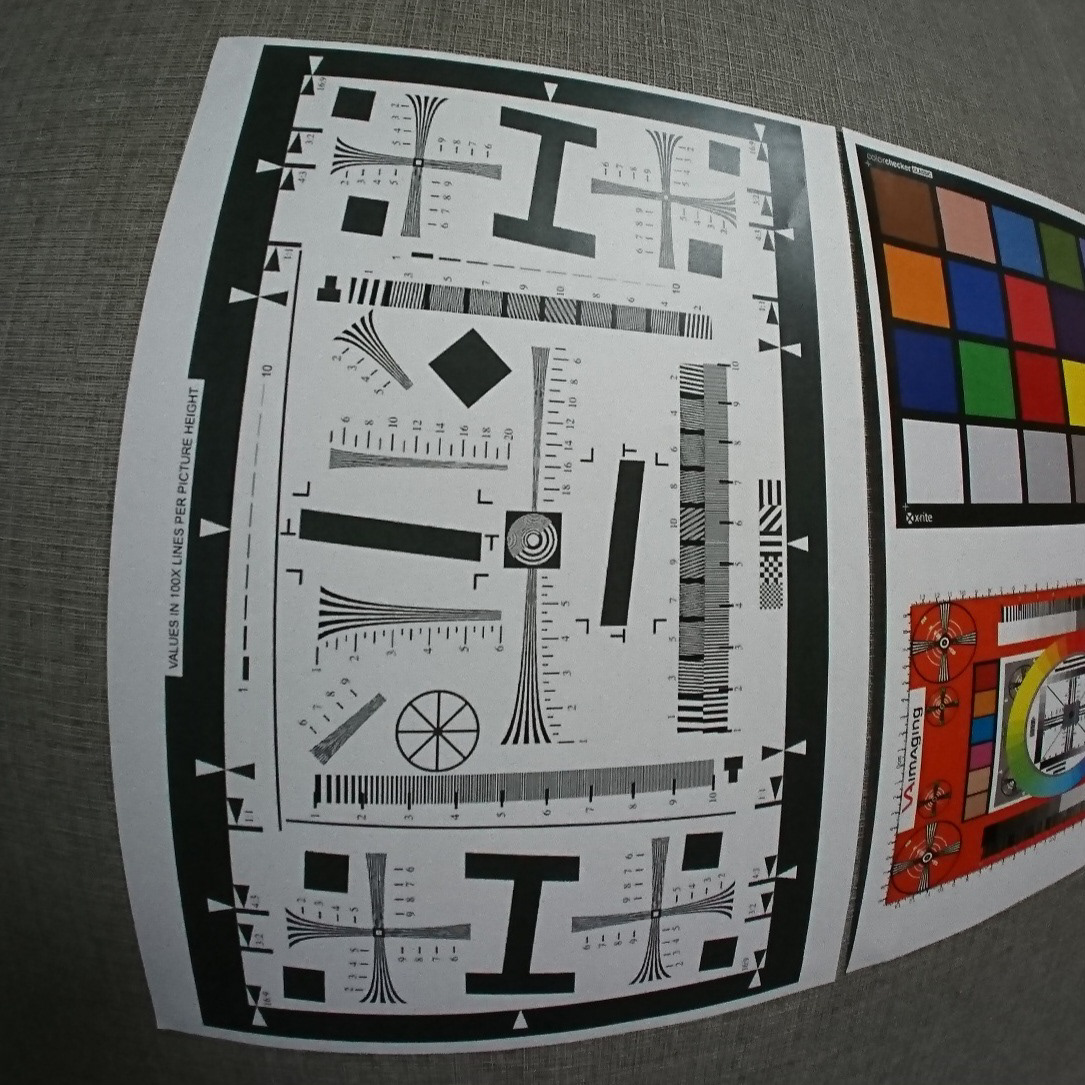
On comparing the output of the two camera modules, it seems despite the change in appearance the output is near enough the same. There does seem to be the slightest hue shift when looking at the B+W test, but its not clear if that is due to slight differences in lighting between shots.
It seems the plastic housing of the sensor and lens has changed to a darker appearance, but the camera specification has remained the same. Im unsure of the reason why this is, but if I was to take an educated guess then I think its either to try make the camera part of the nose less noticeable as a camera or simply they have changed supplier (maybe the price per part is now different?).
2つのカメラモジュールの出力を比較すると、外観の変化にもかかわらず、出力はほぼ同じであるように見えます。白黒テストを見るとわずかな色相の変化があるように見えますが、それがショット間の照明のわずかな違いによるものかどうかは明らかではありません。
センサーとレンズのプラスチックハウジングはより暗い外観に変わったようですが、カメラの仕様は同じままです。理由はよくわかりませんが、推測するに、ノーズのカメラ部分をカメラとして目立たなくするためか、単にサプライヤーが変更された(部品あたりの価格が変わったのでしょうか?)かのどちらかだと思います。
センサーとレンズのプラスチックハウジングはより暗い外観に変わったようですが、カメラの仕様は同じままです。理由はよくわかりませんが、推測するに、ノーズのカメラ部分をカメラとして目立たなくするためか、単にサプライヤーが変更された(部品あたりの価格が変わったのでしょうか?)かのどちらかだと思います。
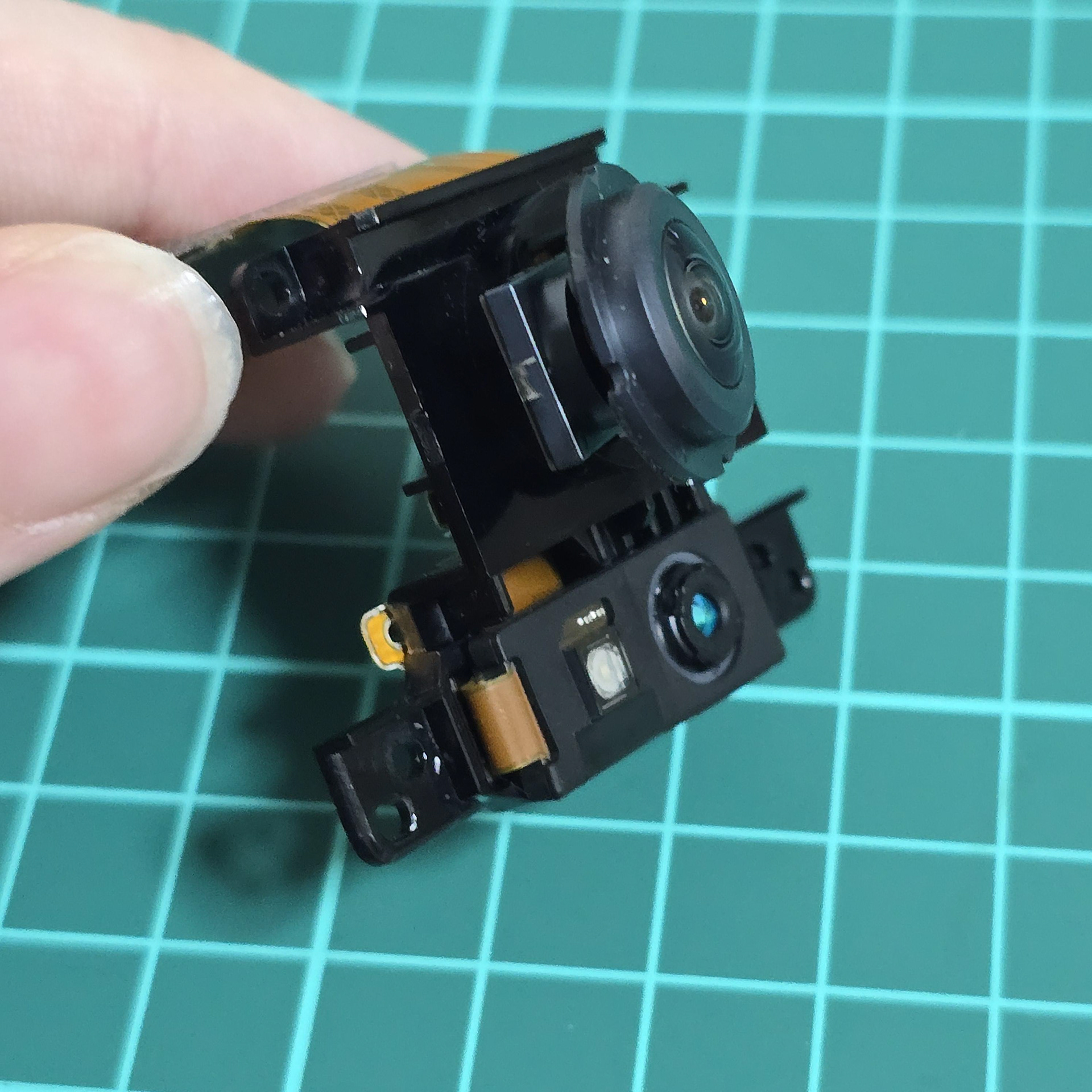
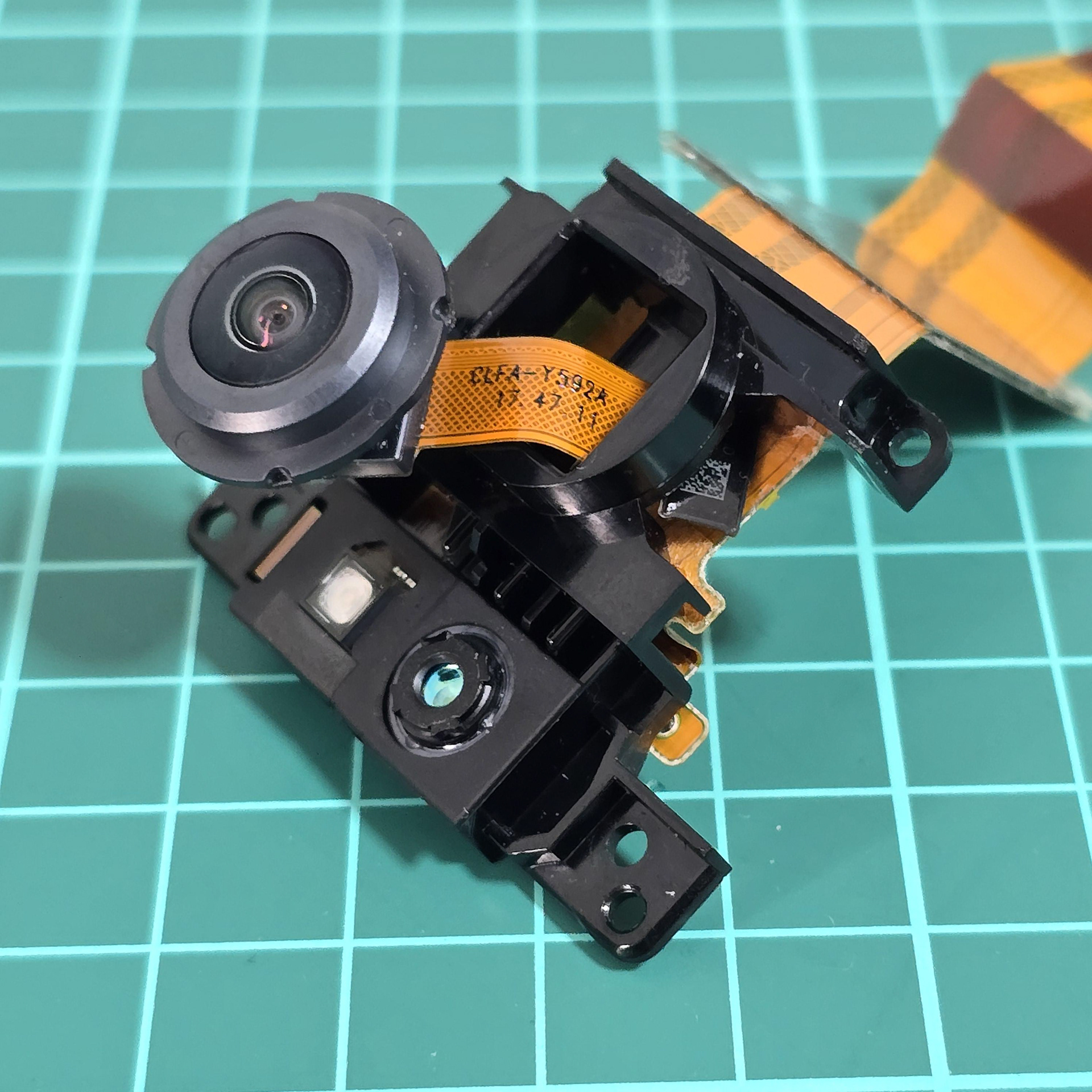
The camera module is attached to a plastic mount that also houses the ToF sensor that is usually hidden behind the aibo's black mouth window. To release it, simply unplug the module from the board on the back and then push the flexible wire connector through the hole in the side, gently pulling the camera forward and out of its hole.
カメラモジュールはプラスチック製のマウントに取り付けられており、このマウントにはToFセンサーも内蔵されています。ToFセンサーは通常、aiboの黒い口の窓の後ろに隠れています。取り外すには、モジュールを背面の基板から取り外し、フレキシブルケーブルコネクタを側面の穴に差し込み、カメラをゆっくりと前方に引いて穴から取り外します。
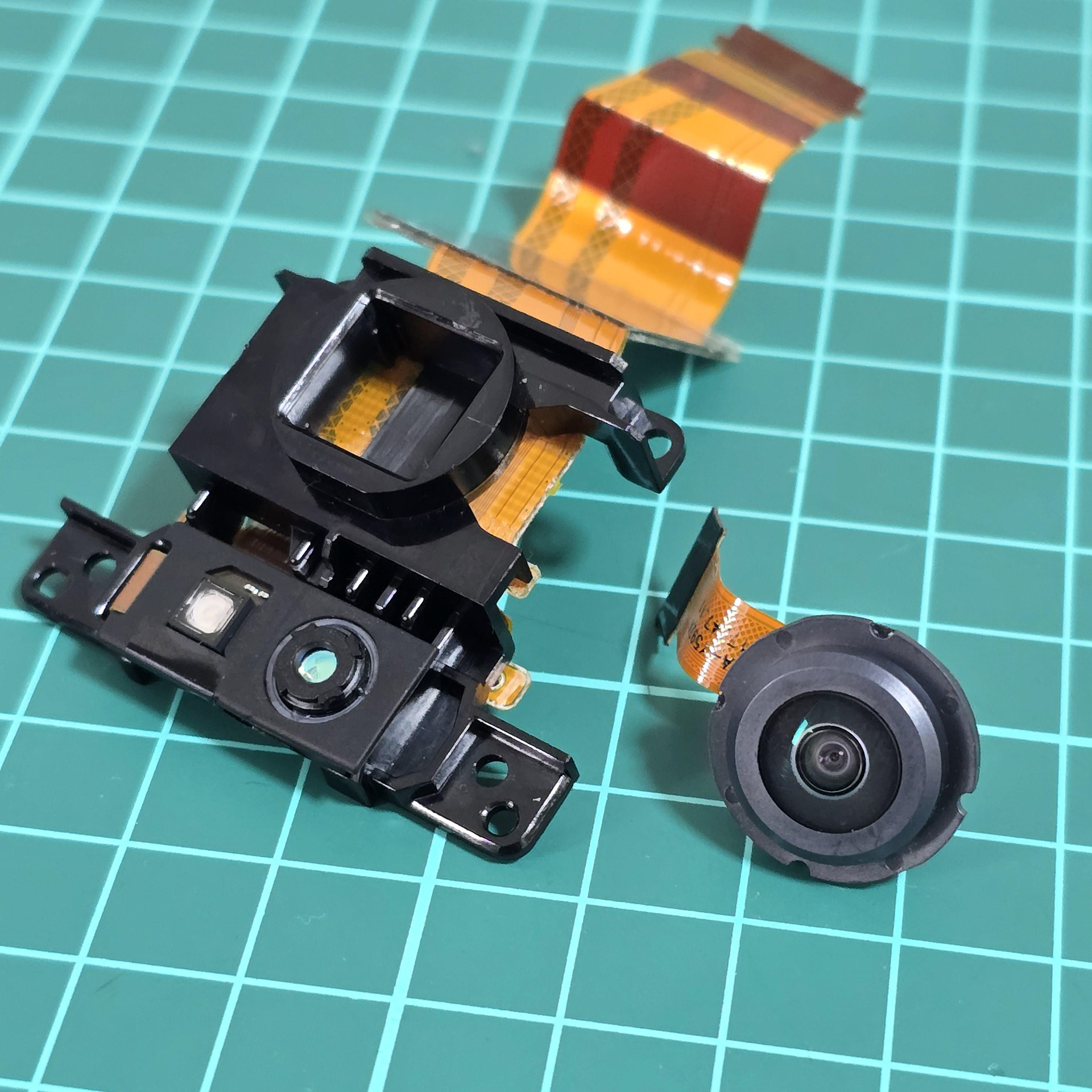
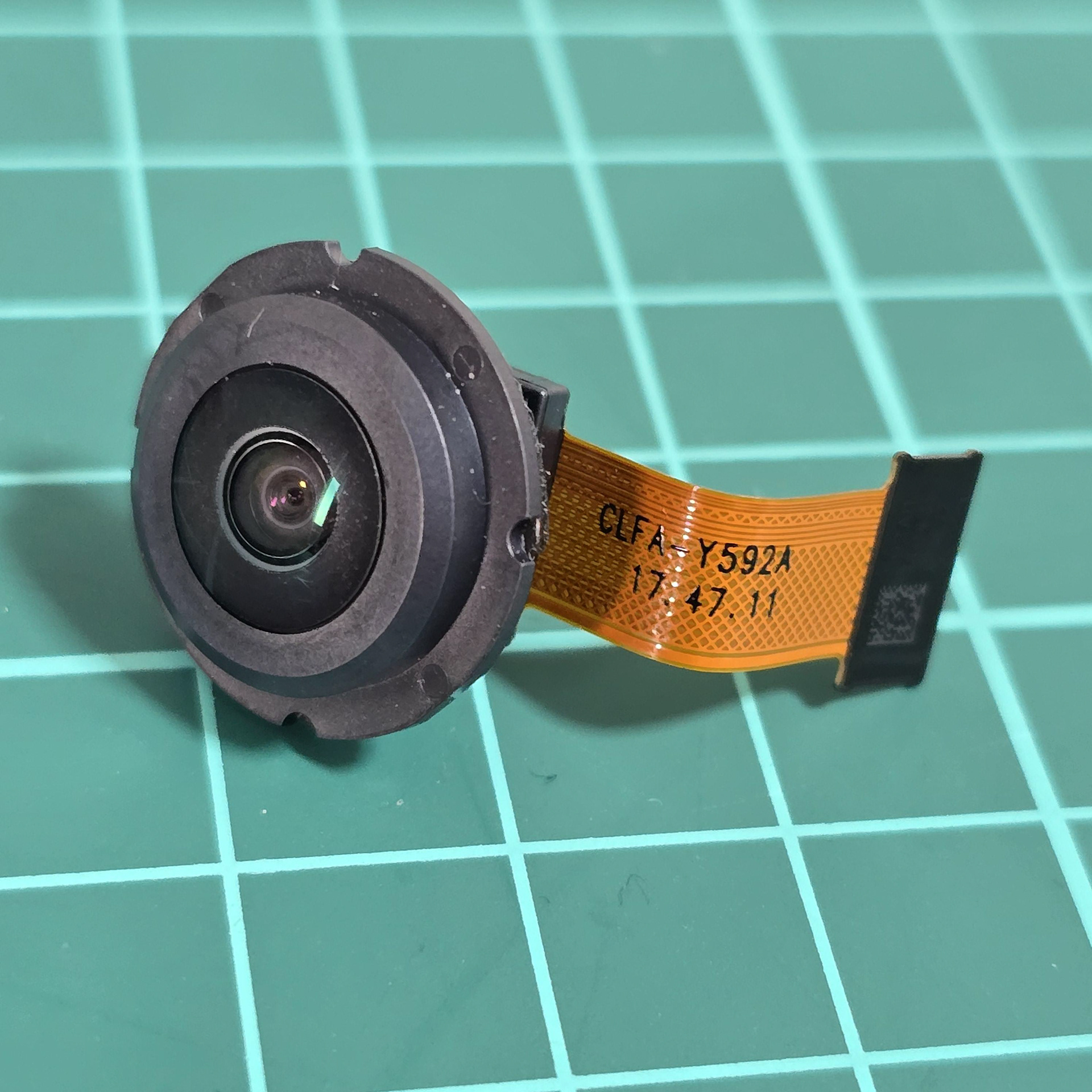
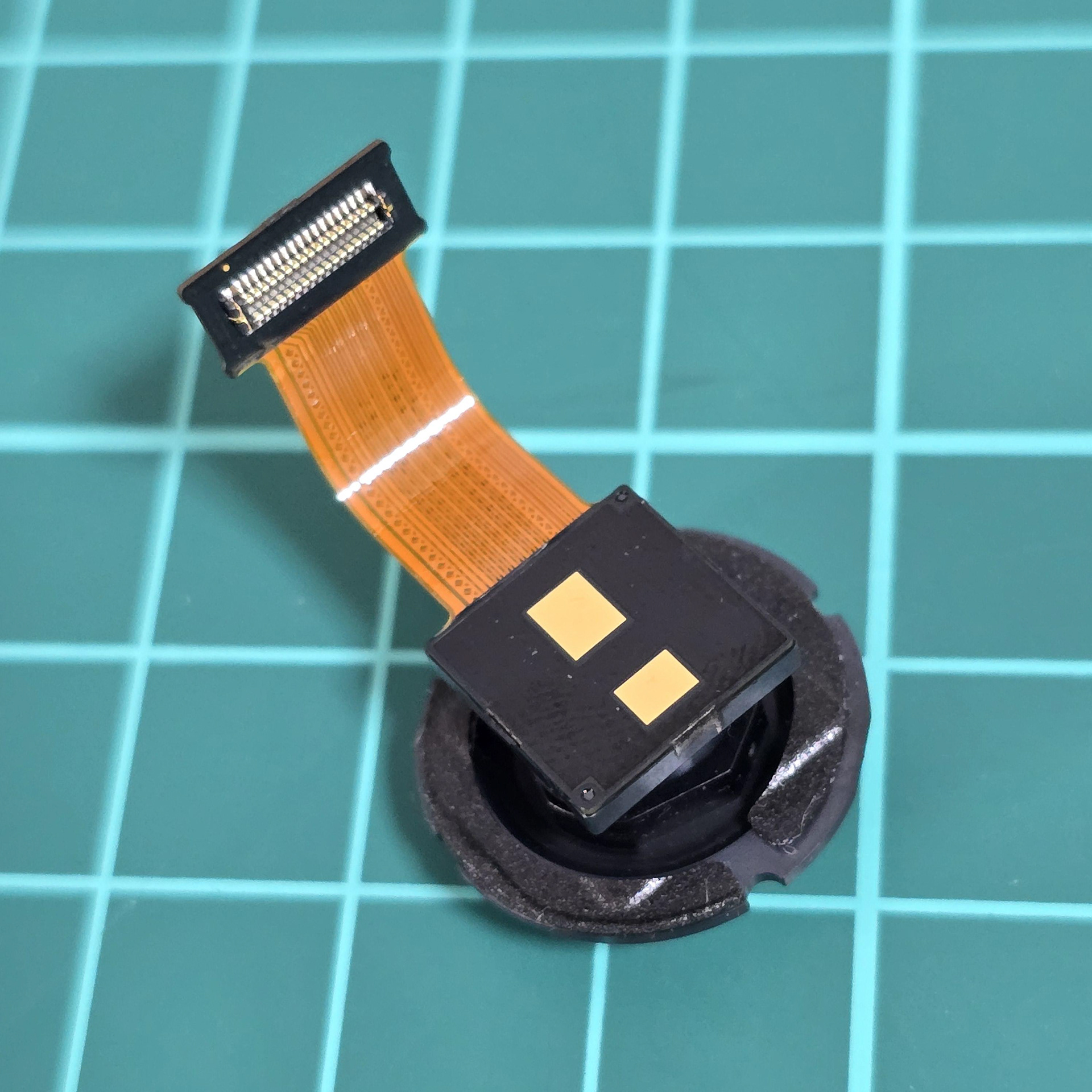
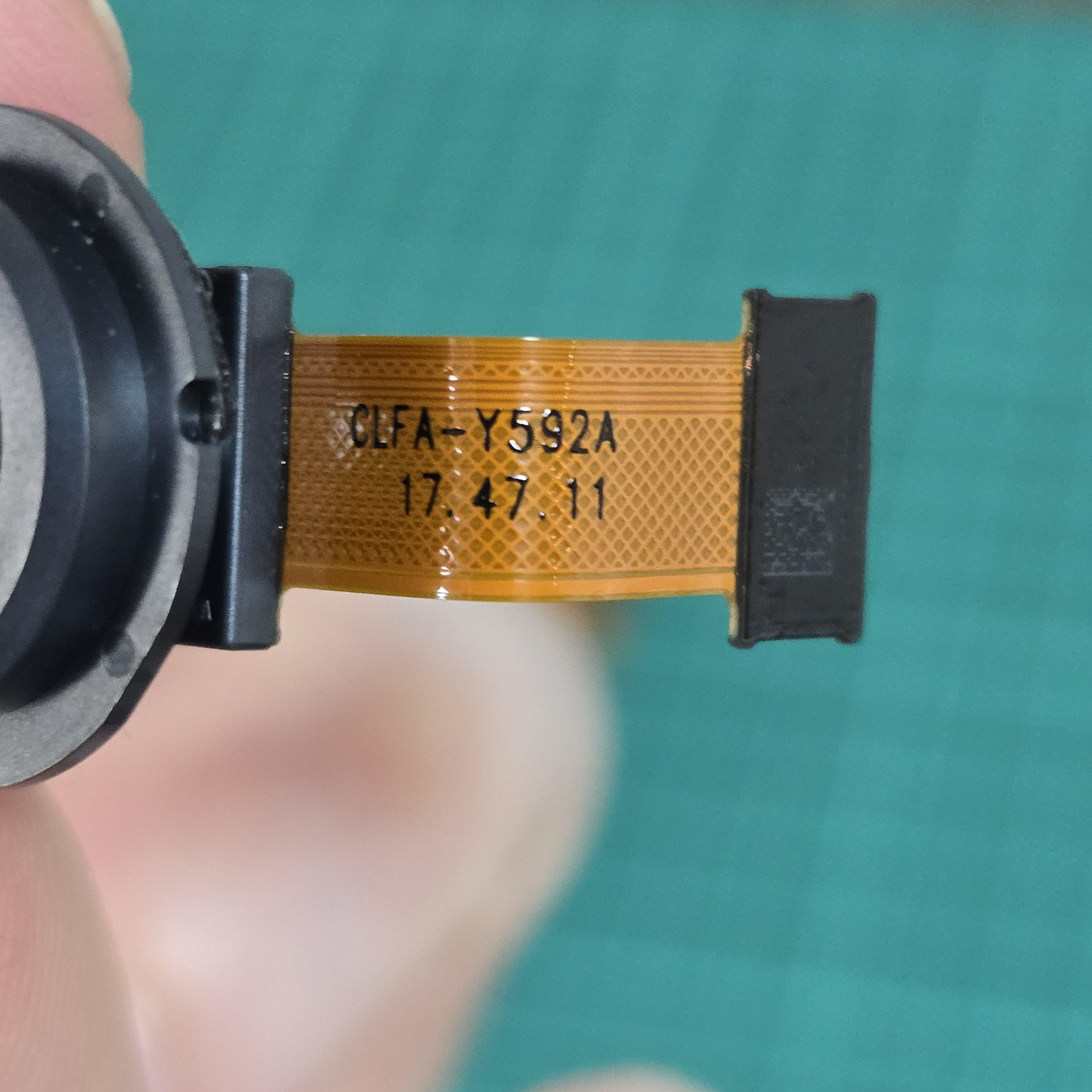
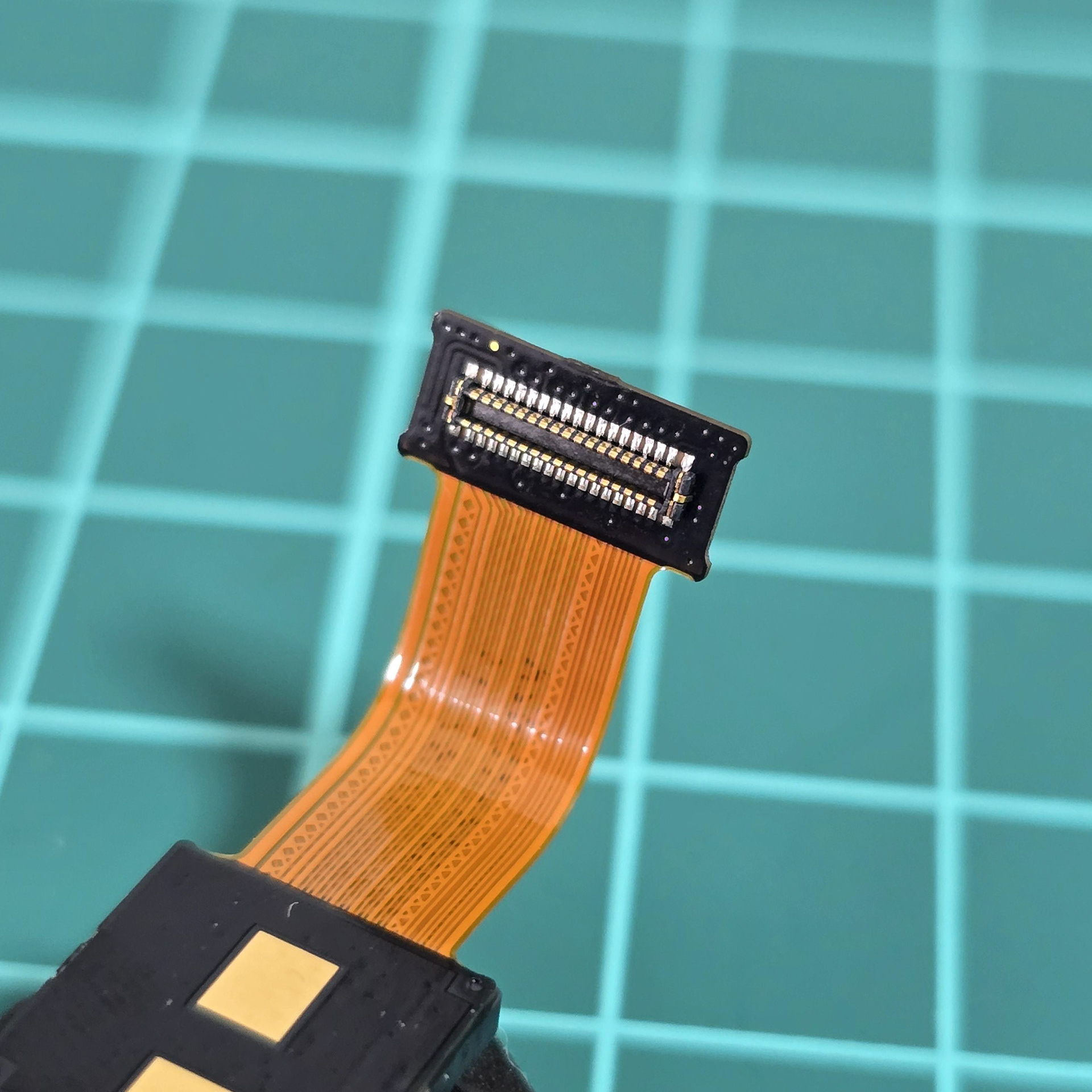
Looking at the connector, it seems to be the same found on some Sony phone camera modules. So I'm thinking of ordering some different camera modules and plugging them into the ERS-1000 to see if they will work. Seeing as some old aibo models go blind over time, it may be worth finding replacements for the ERS-1000 to prepare for this possibility.
コネクタを見ると、ソニーのスマートフォンのカメラモジュールに見られるものと同じようです。そこで、別のカメラモジュールをいくつか注文してERS-1000に接続し、動作するか確認してみようと思っています。古いaiboの中には、経年劣化で視力が低下するものもあるので、その可能性に備えてERS-1000の代替品を探しておくのも良いかもしれません。
New Camera Module
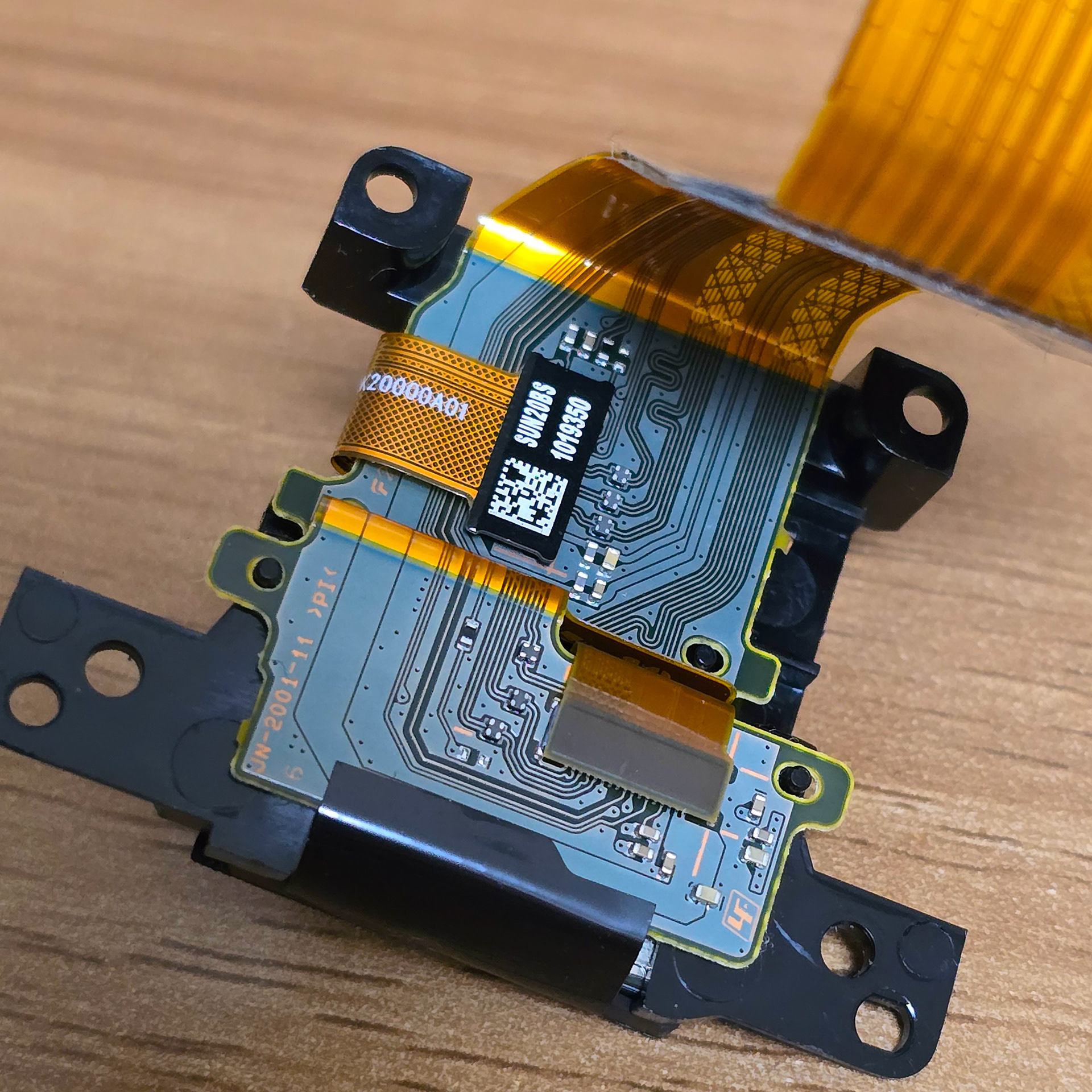
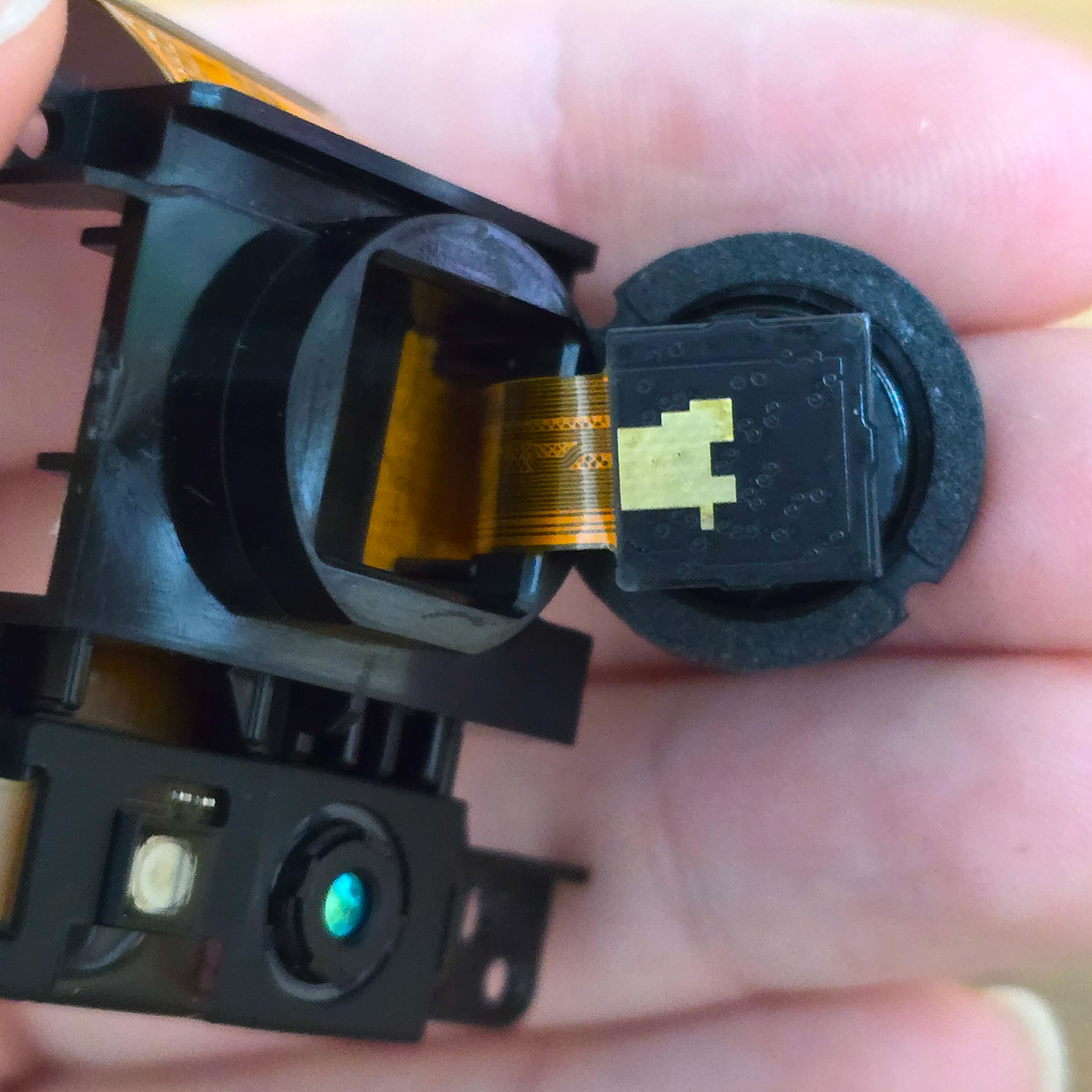
I noticed that the new camera module has a part code on the connector plastic and the foil part on the base of the camera module is different. Might also be another sign there has been a change in manufacturing.
新しいカメラモジュールのコネクタプラスチック部分に部品コードが記載されているのに気づきました。カメラモジュールのベース部分の箔部分が異なっています。これも製造工程が変更されたことを示す兆候かもしれません。